


Photo: Craig Patterson
By Alex Romanov, CEO, iSIGN Media
Proximity marketing is changing the way retailers reach out to customers. Often linked with digital signage that is equipped with Bluetooth® and WiFi message transmission capabilities, proximity marketing reaches customers when they’re most likely to make a purchase – at the point of sale (POS). Cash registers generate the ultimate POS data: a record of the actual transaction. So what would happen if you combined the two, merging proximity marketing data with cash register receipts?
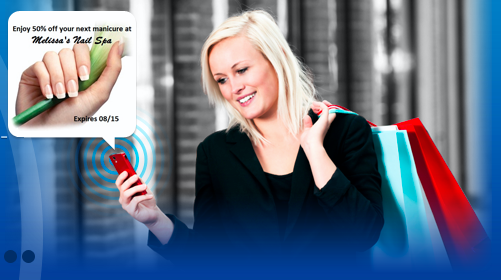
First, it’s important to understand what each component brings to the table. An effective proximity marketing strategy transmits offers to customers who come within range of a digital sign equipped with an antenna. A good proximity marketing solution enables merchants to send rich media messages in many forms, including something as simple as an electronic coupon or a more complex transmission, such as a game.
Customers have the option to accept or decline the message. And since it uses Bluetooth and WiFi technologies, customer privacy is protected; instead of personal information like names and phone numbers, only device signatures are collected. Despite that protection, proximity marketing generates incredibly rich insights on customer behavior, collecting information such as the rate of offer acceptance, customer duration within the store, foot traffic patterns and much more.
In a sense, proximity marketing functions in the real world much as online cookie tracking functions in the virtual environment, providing merchants with real-time information on where customers go in the retail location, what offers interest them, what areas of the store they visit and for how long. However, one missing piece of the puzzle for brick-and-mortar retailers has, until now, been POS data.
By merging POS information with proximity marketing data, merchants can get the ultimate customer profile. For example, a grocer with a regular customer who frequently purchases steaks, baking potatoes and red wine would be able to craft a 24-carat offer tailor-made especially for that customer, like a discount on a better vintage Cabernet, or an alert to a sale on artisan sour cream or upscale steak sauce.
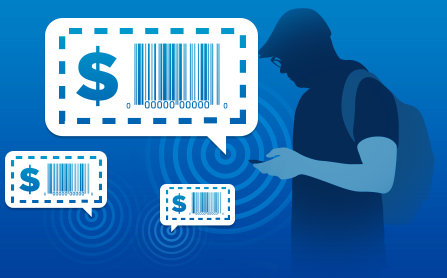
Cash registers have been around for 150 years, but POS technology has advanced rapidly over the past 10 years, and its future evolution is clear: mobile wallets are gaining traction with consumers. Soon, the traditional cash register will be obsolete, with transactions completed electronically between in-store POS technology and mobile phones. This will make merging POS data and proximity marketing information even more seamless – and inevitable.
In the ecommerce world, merchants have used the insights they gain into consumer behavior online and purchasing data to drive double-digit sales improvements. For example, Walmart used data insights to generate a 10% to 15% increase in completed online sales to drive $1 billion in incremental revenue.
A similar opportunity exists in the brick-and-mortar environment. The first step is to deploy the right proximity marketing solution to generate rich data on in-store consumer behavior. The next step is to marry that data with POS information. Merchants who combine this data will build the ultimate customer profile – and gain an incredible competitive edge.

About the Author
Alex Romanov is CEO of iSIGN Media, a leading North American multiplatform advertising solutions company that utilizes Bluetooth, Mobile, Wi-Fi and Location-Aware technologies to deliver rich media, permission-based messages to engage consumers more deeply and cost-effectively. Find out more at http://isignmedia.com.

