Real Examples of How IoT Applications in Retail
The Internet of Things, or IoT, catchword is one that has been hyped up all across the retail market for some time now, and it is steadily becoming more visible. Not necessarily as IoT either, but as a solution for land-based businesses in terms of digital transformation. With online retailers reigning supreme over brick-and-mortar Mom-and-Pop-type trading, the smaller organisations are starting to fight back.
In the same way that the IoT is becoming far more frequently seen around our home spaces, it’s being used to drive business into brick-and-mortar stores more often as well. The kinds of solutions IoT provides are not simply being implemented by major corporations with millions to spend, but also has smaller makers installing insight-driven equipment in order to up their returns.
Beacon Alerts
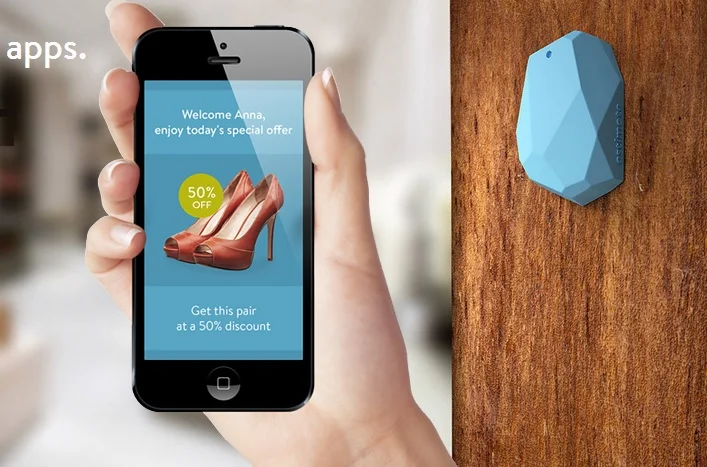
The first IoT solution on our list is the Beacon Alert. This alert app uses Bluetooth geolocation in order to provide shoppers with possibly valuable information that’s sent directly to their smartphones. This could be in the form of notifications about a special in the third aisle, for example, or the fact that a store is having a 50% Anniversary Sale.
Connecting with customers is a chief concern for business owners, and, as digital technology is starting to permeate the regularity of our interactions, Beacon Alerts have allowed many a merchant to touch base with their audiences without them having to say a word!
Shopper Mapping
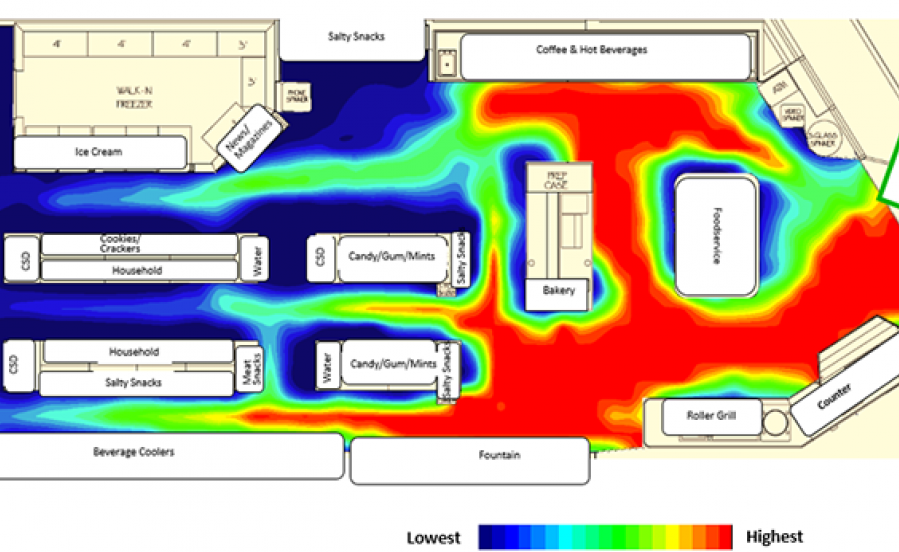
Strategically placed sensors are able to provide very valuable insights to Shopper Mapping and the high-traffic points within a store. Knowing where and how a consumer locates a product is important to sales departments, managers, and marketers alike. The kind of insights that Heat Maps and Customer Trace provide allows Canadian retailers to better position sale items, adjust the setups of their stores in order to eliminate vacant space, and record shopping trends over pre-set periods.
Certain technology allows security camera images to generate a heat map of a store’s layout, and then translates the data onto a dashboard for use by store managers. For instance, the volume of traffic of people walking past the storefront versus the amount of these who actually enter the shop can be measured in real time and compared to other time stamps.
This insight, paired with how frequently one of these potential customers actually makes a purchase, will hugely drive the success of advertising statistics. By making use of so-called People Counters and Location Heat Maps, storeowners are able to refine both the exterior and interior advertising and overall appearance in order to maximize how any likely clients actually enter the store and buy something. As application developments and sensors continue to drop in price, the demand for more of these types of insights grows exponentially.
The Business/Customer Relationship
In the past, business owners built relationships with their customers with face-to-face interaction as the foundation for these. Today, retailers are making use of the IoT to learn from, interact with, and advertise to their clients.
Using real estate as an example, there are ways in which house hunting has become far easier, and more convenient. When a home becomes available, for either rent or sale, agents are able to place sensors and upload video content from their smartphones or tablets to an IoT-based cloud application. This then allows prospective tenants and homeowners to view and virtually visit these homes whenever they want to, from wherever they are. No more Sundays spent viewing open houses!
Brick-and-Mortar Retail Has a Fighting Chance
Implementing the kind of IoT solutions outlined here provides invaluable insights for business owners, allowing them to generate more income and attract potential customers with their endeavours far more successfully.