
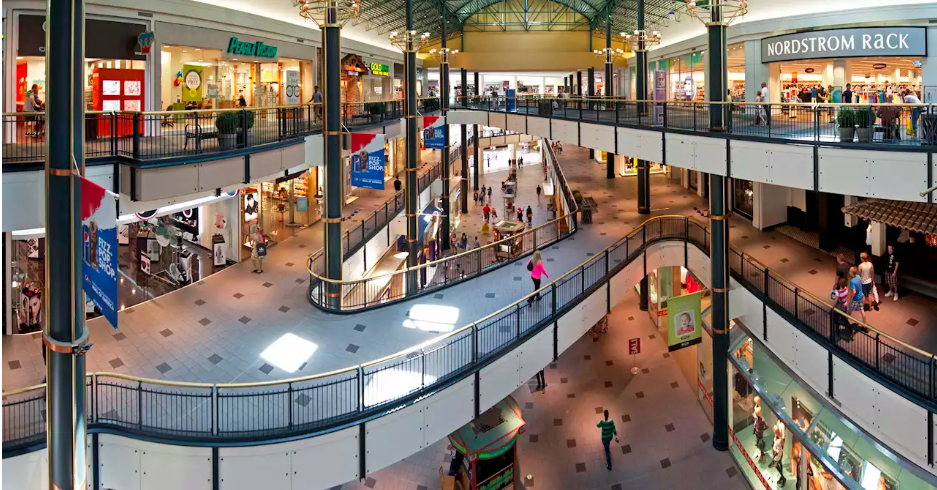
In recent times, retail spaces have gone beyond buying and selling of products/goods. They now sell experiences too, the quick incorporation of various forms of technology in retail spaces is the reason for this change. Entertainment is playing a major role in reinventing retail spaces.
Through entertainment, retail outlets are also a lifestyle destination. George Ritzer, the American sociologist, was way ahead of his time, he coined the word “Retailtainment” – the method of advertisements by retail outlets has evolved. Retail spaces no that competition for sales and ranking have gone beyond the price and quality of a product. The competition is now based on technology and experience.
There is a huge buzz in creating an in-store experience, and a retail space center of attraction has triggered top malls, brands, and businesses to adopt high-end audiovisual, consumer engagements and esports technologies. Now shopping centers have to renovate infrastructure and catch up with the new technological trends.
The “Millennial Movement,” coupled with the online shopping activities, have stimulated this trend. The major reason people leave their homes and go to the mall to get entertained while shopping. Shopping Centre now provides a wide range of entertainment activities intended to catch the attention of customers, virtual reality experiences such as The Void, Hub zero, and Orbi were well received by customers.
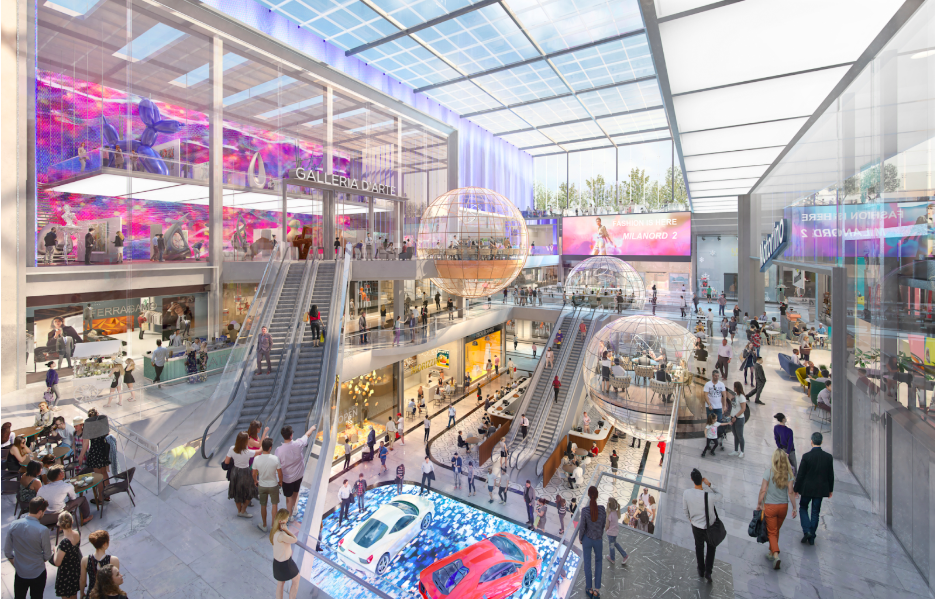
The AV technologies provide the cutting edge. However, understanding how the AV fits into the retail space is so essential. AVIXA’s Market Opportunity report provides more details on market landscape. According to UpNest, “Retail is worth around $2.1 trillion, or 36% of the total worth of commercial property. It consists of at least 9.5 billion square feet of shopping centre space.”. This statistic is a leading figure, and it shows the growing need for the acquisition of retail spaces.
Presently, the leading trends in AV technology include:
Firstly, a layered projection mapping that projects live entertainment and quick social media feed provide a lively approach towards retailtainment, and this also encourages an interpersonal relationship between customers at the mall.
Secondly, Mixed reality experiences are catchy options for retailers. With mixed reality, wearable tech device becomes easily available. This is a combination of Augmented Reality and Virtual Reality.
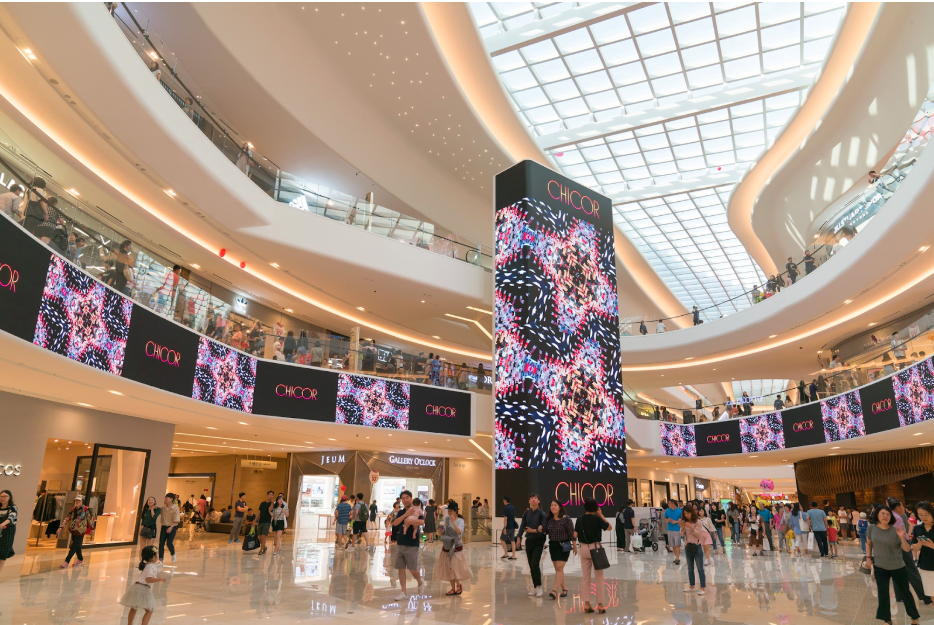
Thirdly, a Direct-View LED technology for Digital Signage Interactivity, which offers a high-grade resolution quality, and it’s a perfect fit for outdoor displays. LED displays have quickly replaced the LCD display. A major advantage is that LED displays can be viewed from a distance.
Fourthly Near Field Communication (NFC) for Personalization & Interactivity. Digital screens are now increasingly sophisticated through the introduction of NFC technology, which now gives customers a personalized experience as they can engage with the screen.
Lastly, Mobile, the advent of the 5g, has increased the quick integration of high-tech innovations like AR, VR, and NFC to sync with mobile devices and applications easily.
Retail spaces and malls should consider Electrosonic for their technological advancement. Over the years, the electronic technology design team has had the course of dealing with retail space architects and designers and has gained a lot of experience in the retailtainment field.
To end, the quick reaction by retail outlets to reinvent their spaces and included retailtainment features is on a steady rise. Truly, the basics of retailtainment are the ability to create a memorable experience using technology and storytelling. The adoption of location-based interactions, which entails values, personalization and store-based interactions all portray how shopping centres connect to their customers through a story.
