



Photo: http://sebgroup.com
Editor’s message: If you’re looking for new software to improve your business, look no further than this human resource software from Cezanne.
By Lisa McCann
Retailers strive to build strong performing workforces but with changing demographics and market trends, sustaining a strong workforce long term is becoming more and more challenging.
So how can a company better prepare to build a workforce for long term business success? It all starts with understanding which HR challenges are currently affecting retailers across Canada.
You can start by thinking about the following:
-
Where is my organization expecting to grow (or shrink) in the next few years?
-
How will this affect my current workforce?
-
How will this affect how I source potential candidates?
-
Will any new talent gaps arise due to these changes?
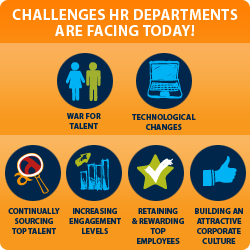
There are two main external areas that are creating HR challenges today, these include the rising war for talent and continuous technological changes in the market:
War For Talent
Currently, companies are seeing an aging population of retiring baby boomers exiting the workforce and a new much smaller generation of workers entering the market. It’s easy to see how this is soon going to become a predominant topic. We have more people exiting the workforce then entering, therefore we are making a swift change into a job seeker market. This means companies will see much higher rates of competition arise for talent. Additionally, the newer generations who are entering the market have very different values, expectations, and working styles that is causing a shift in the way companies are building their recruitment strategies. Retailers need to quickly adapt and find ways to engage, retain and grow their workforce of different generations.
Technological Changes
Improvements in technology can be felt across all channels of our working lives but in regards to HR, technology has shifted the way companies recruit new talent. People aren’t just looking for a job description online, they want to be able to engage, interact and truly understand your employment brand. People place higher expectations on what a company has to offer and adopting new technology trends is no different. Social recruiting has become more predominant with the rise in social media usage, sites such as Facebook, Twitter, and Linkedin are just a few of the channels job seekers are using to search and apply for jobs.
Although retailers can’t have a say on the external factors that are creating HR challenges, there are numerous internal areas that need to be addressed readily to be a front runner for talent. Here are a few common internal areas we see HR professionals struggling with today:
Continually Sourcing Top Talent
As talent shortages increase, it’s becoming more challenging for companies to find top talent. Recruitment strategies need to be focused around attracting top tier candidates who will be committed to growing with your organization. Hiring these top tier candidates means you have to be willing to invest in your recruitment processes and implement assessments and screening capabilities that will help you drive better quality candidates. This includes putting an emphasis on cultural fit as this is becoming a predominant determinant of long term success with an organization. By planning for future success you will be saving in areas of recruitment, training, and succession planning.
Increasing Engagement Levels
Employee engagement is a hot topic in HR and has proven to reflect employees’ productivity and successes in their roles. Therefore, it’s simple, an engaged workforce means better business results… right? It’s not so simple, you need to first clearly understand what your workforce values and how you plan to support those values each day. Engagement is closely tied to productivity, turnover levels and morale. By committing to understand and improve your employee engagement levels, you will be committing to better business results long term.
Retaining & Rewarding Your Best Employees
Attracting top tier talent is one thing, retaining them over time is another. Building a strong long term workforce is another area that creates HR challenges. More often than not you see your top performers moving on to other opportunities within a few years of entering the organization. So how do you retain these employees long term? You need to start by building a leadership development plan, where there is formal training and development in place to help employees grow within your organization. Employees often move around within a company without any formal succession planning in place. By supporting your employees with the proper training they will feel committed and well equipped for their new role. Additionally, rewarding employees doesn’t always mean an increase in wages but a shift towards workplace benefits they value such as flexible hours or working from home.
Building an Attractive Corporate Culture
Job seekers are looking to work for a retailer whose culture emulates what they want in a working environment, whether it is a work life balance, openness and transparency, or innovation and creativity. It’s also important to maintain a strong brand reputation, this gives your employees a sense of pride in working for your organization and often attracts many candidates to apply.
Lisa McCann is the Corporate Marketing Manager at Vancouver-based recruitment company, MindField Group.
GO BACK


Candidate nurturing is a great thing that retailers should do, especially to prepare for high seasons in advance. Along with an <a href="https://www.nextal.com/recruitment-software/applicant-tracking-system-ats/">Applicant Tracking System</a> that is adapted to retail, <a href="https://www.nextal.com">Nextal</a> offers powerful tools to source candidate from different sources.