
By Linda Farha
While the coined expression “pop-up” and the way these spaces are marketed has evolved, temporary concepts have been around for decades. What’s different? The execution, the rationale and, often times, the duration (being finite, that is).
Traditional pop-ups have included anything from seasonal boutiques such as Halloween, calendar and Holiday stores to sales of event tickets and paraphernalia. While these remain viable options, today’s specialty leasing professionals (those who lease temporary spaces) need to be far more creative to meet their foot traffic goals. And because pop-ups don’t necessarily have to be in traditional brick and mortar settings, anyone with a space that can possibly be leased should consider how they can leverage this movement in a mutually beneficial way. Think shipping containers or temporary build-outs in vacant spaces. At the end of the day, it’s about the experience, telling the brand story and creating a connection with target customers.
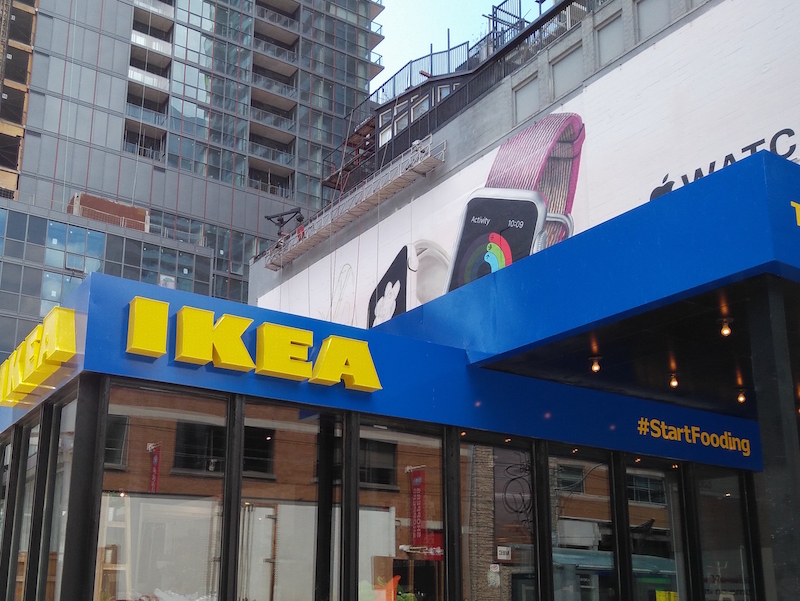
Ikea pop-up in downtown Toronto. Photo: blog.hubba.com
While pop-ups are not new, their current modus operandi has been disruptive.
The recent resurgence of pop-ups can be attributed to 2008, a time of economic collapse, creating an abundance of empty spaces. While the economy has improved considerably, shopping patterns and desires have changed. Shopping centres, for one, are grappling with this and looking to adjust their approach to temporary space usage. The pop-up revolution has created an anomaly in their world—the often very temporary nature of a pop-up (generally a pop-up should have a lifespan of three months or less with shorter considered most effective) coupled with the fact that some are intended for experiential purposes only thereby generating little or no sales. The first necessitates a flow of prospects to ensure minimal vacancies (more work, all the time) while the latter means the likelihood of reduced revenues.
Street locations and other solutions for pop-ups have given shopping centres a run for their money. With millennials (seemingly everyone’s target customer) looking for experiences in non-traditional settings, they’re looking beyond the old environments that their parents enjoyed and don’t want sameness. This group, who Accenture predicts will account for nearly $1.4 trillion in spending power by 2020, is adventurous and their insatiable use of mobile and social shopping has completely toppled historic shopping patterns. They came of age in a post-recession era and are always looking for the best value. They are leading the change in purchasing trends and as such it’s important to understand how to reach them. While not all pop-ups are targeting millennials exclusively, appealing to this group is essential and will almost certainly lead to brand ambassadors.
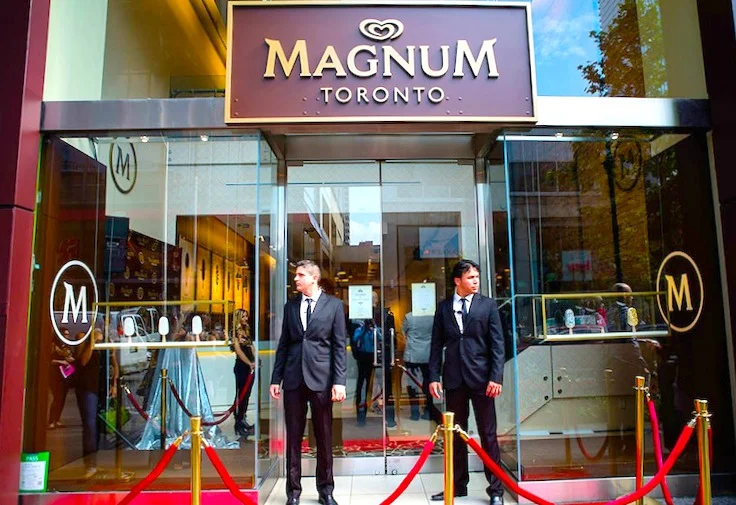
Magnum pop-up in Toronto, 2014. Photo: Magnum
Don’t forget the ultimate purpose of a pop-up
Everyone loves the element of surprise with unique offers, unique environments and unique experiences and that’s what pop-ups deliver if executed properly. They help test ideas, create a brand connection and leave memorable impressions to drive loyalty and an ongoing following. And this is not exclusively for startups. Companies like pop-up go are an industry resource providing both space seekers and space owners with a platform where they can post, view and inquire about relevant short-term commercial spaces. The space owner and the space seeker can negotiate terms and then finalize their deal offline. pop-up go provides additional support to companies launching a pop-up with their Make It Pop consulting services that includes developing the overall look and feel of the store, go to market strategies, as well turnkey online/offline marketing and communications support specifically designed for pop-ups.
Here are a few winning pop-up examples:

– OREJEN, a global marketplace and showroom built on the brands of emerging and developing designers by hosting an innovative ‘Fashion Lab’ pop-up shop in Toronto in March of this year.
– Ikea has been changing up the pop-up game, and the global big box brand also popped up in downtown Toronto in May with a unique, culinary pop-up experience. Playing up to one of their defining brand features – wallet-friendly Swedish dishes – Ikea still offered 50 products for purchase in the space, but many were interactive recipe books or green displays enticing people to grow food from home.
– Kate Spade launched their new home line, Kate Spade Home, by way of an exclusive pop-up shop open from March until May this year. Cropping-up in Lower Manhattan, the space was made to look like someone’s personal New York City apartment. Instead of using standard furniture exhibits, Kate Spade filled their space with little rooms including a living area, kitchen and bedroom to inspire customer for their dream home.
– To celebrate the NFL Draft taking place in Chicago, the city simultaneously hosts a “Draft Town” event, a 3-day festival in Grant Park. The NFL strategically hosted a pop-up to build a buzz for the draft, selling more than 250 items that represented all 32 NFL teams, attracting both Chicago and national citizens alike. They also brought in a slew of NFL players to sign autographs at the shop, and fans were able to add team logos & player names to custom clothing bought at the store.

Author: Linda Farha
– Magnum ice cream’s SoHo, NYC dipping bar hosted this April-August was an interactive pop-up experience that gave customers the opportunity to personalize everything from their ice cream base flavour and chocolate dip, to their toppings. This glamorous pop-up space was covered in jewels, with Magnum “baristas” catering to all customer requests.
Look out for a growth in “permanent” pop-up store locations in shopping centres intended to attract monthly pop-up features (think STORY in Manhattan) and an ongoing use of unused leasable space for physical brand interaction. While pop-ups may be for temporary use, the phenomenon is here to stay and become the norm and pop-up go is a great resource to follow for a handle on the industry’s evolution.
Canadian Retail News From Around The Web: September 13, 2016