



By Jasmine Glasheen
The minimum wage in Canada and Australia is on the rise, which means higher wages for retail workers. The minimum wage in Canada recently increased in Spring of 2018. Base pay for Canadians now ranges between $11 to $15 an hour, depending on the province. Canadian legislators are seemingly playing catch-up with Australian retailers, as ABC News reports that the Australian Fair Work Commission increased the national minimum wage from an already-impressive $18.29 an hour to a straight-up staggering $18.93 an hour on July 1st of 2018.
Proponents of minimum wage increases feel that they are necessary to ensure an adequate standard of living for employees in entry-level positions – largely retail and fast food workers, who fill most of the global minimum wage level positions. However, those attempting to prevent additional wage hikes contend that minimum wage employees will simply have their hours cut by employers in an attempt to maintain profit margins in light of the increased cost of labor.
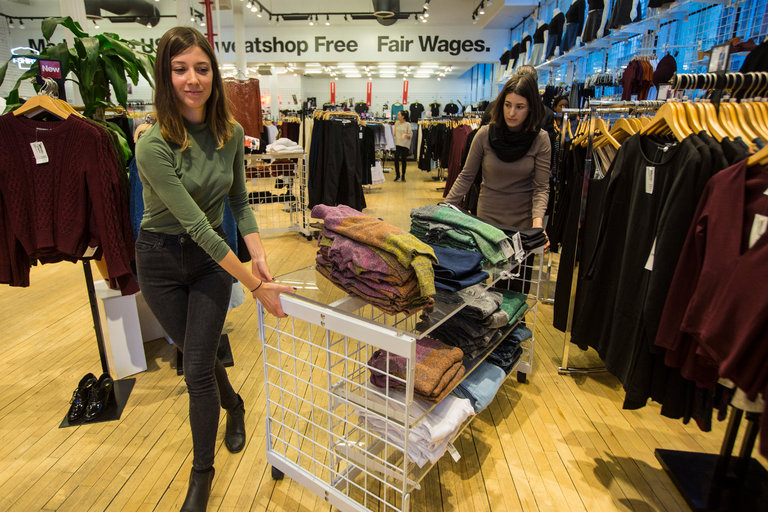
Photo: Study Breaks
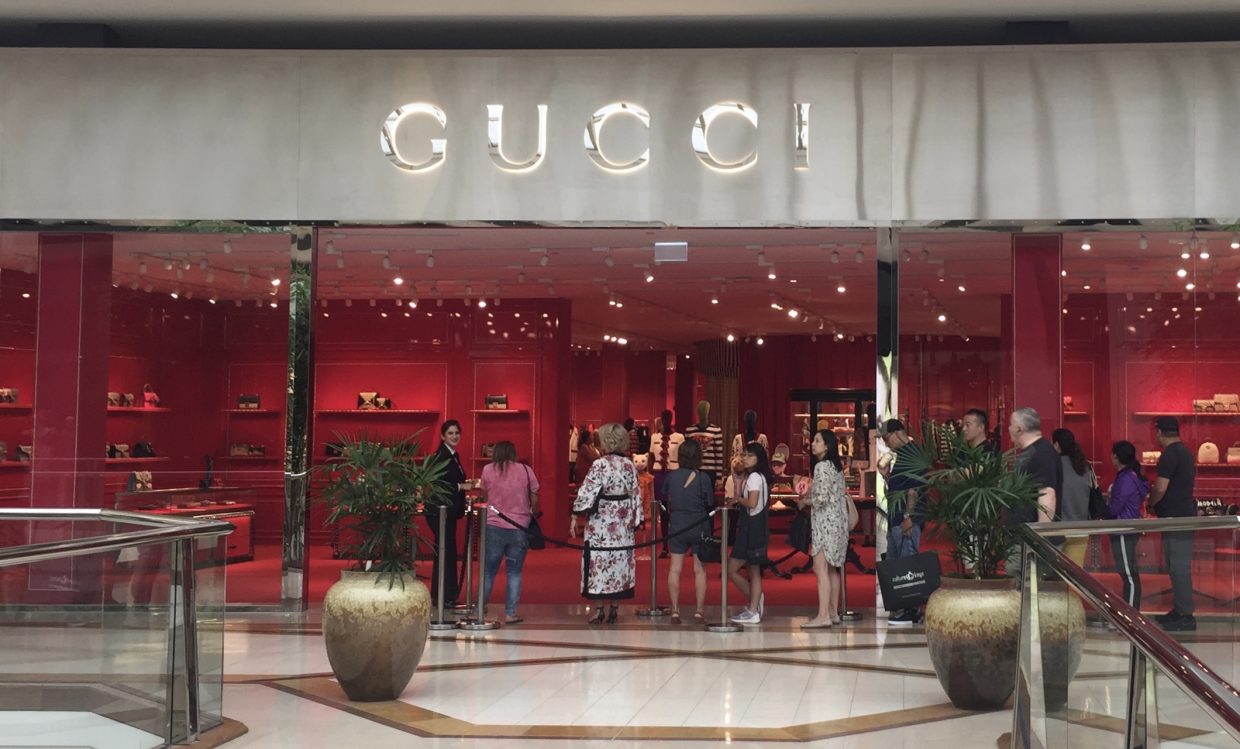
The Gucci Store at Chadstone Shopping Center in Melbourne. Photo: Jing Daily/Jennifer Spark
However, if Australian retail is any indication of what high minimum wages can achieve, then retailers around the world should consider getting on board. In a recent SMB study weighing global retail performance across key regions, Vend found that Australian retailers have:
-
The highest transaction value per store visit ($56.80);
-
A profit margin of 50.84 percent, more than a point above the national average; and
-
At $26,395, the second-highest monthly revenue.
If there’s one thing retailers around the world can learn from Australia, it’s that paying retail employees adequate living wages can translate into better customer service and increased SMB performance. However, the changes taking place in Canadian and Australian retail extend far beyond wage hikes and staffing.

Photo: Jetek

Photo: Waiting for the Call
Australia’s proximity to China shapes how Australian retailers operate their businesses. Similar to how Canada’s proximity to the U.S. influences the trends, brands, and technology seen in Canadian retail epicenters, Chinese influence can be seen in all of the major Australian shopping malls – from the colors of the décor, to the languages spoken in-store, to the available payment options.
Forbes reporter Nikki Baird reports, “China has more Millennials than there are people in the U.S. and Canada combined.” Perhaps it comes with the Millennial territory, but Chinese consumers are also more willing to trade their personal data to receive high-tech in-store experiences. As a result, Australian retailers serving the Chinese market need to be fast to adopt the latest technologies.
This brings us back to the topic of payments. Vend reports that, “73 percent of Australian retailers are growing their business with a cloud-based POS solution.” In contrast, American Express Canada reports that only 38 percent of Canadian retailers are investing in updating their payments technology by taking actions such as ordering a new POS system. So, why are Canadian retailers so quick to pay employees a better living wage, but so slow to adopt standard payments technologies?
One reason might be that Canadian retailers sell a bevy of local specialty brands such as Frank & Oak, Canada Goose, and Naked & Famous Denim. These brands enable Canadian businesses to source from manufacturers within Canada and they have a built-in customer base of Canadian consumers. Since Canadian retailers often source from within and don’t need to compete through reducing prices to win sales over imported merchandise, perhaps Canadian retailers feel less urgency when it comes to implementing some of the technologies already adopted by Australian retailers.
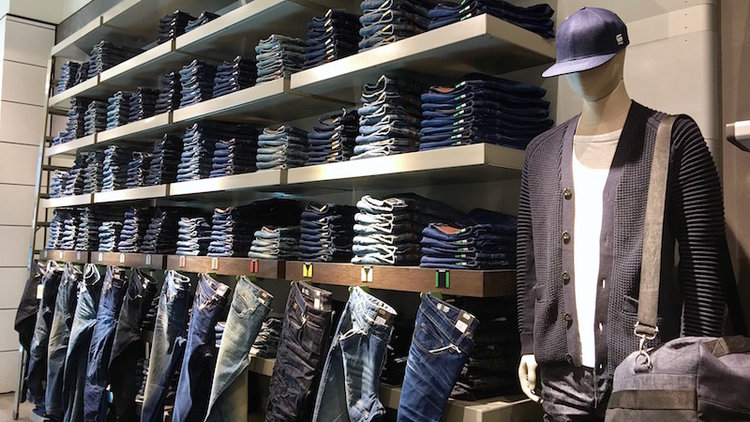
PHOTO: MAXIME FRECHETTE

PHOTO: CANADA GOOSE
Canada is quick to lead the pack when it comes to paying employees a living wage and set a precedent for in-person customer service. So, is it safe to assume that Canadian retailers’ hyper-local, hyper-familiar industry is fueling the hesitancy to invest in basic retail technologies which are considered a cost of operation in other leading global markets?
Kerri-Ann Santaguida, Vice President and General Manager of Merchant Services at American Express Canada, tells Retail Insider, “With emerging technologies poised to disrupt the industry, the stakes have never been so high. Businesses can’t afford to ignore these (technology) trends as they have the potential to completely transform the customer experience and grow market share if executed well.”
In short, the world is getting smaller and the retail industry is no exception. Canadian retailers will soon find themselves doing business in an increasingly global marketplace. So, how can Canadian retailers adapt to compete with Australia and other leaders in a global marketplace? According to Vend, it all starts with evolution:
“Businesses need to look at what the data is telling them and use those insights to determine the best course of action. For some, evolving might mean exploring new store formats or revamping their selection. For others, it could mean using new technologies or retraining their staff. In all cases, it will be about putting the customer first, and creating a more personal in-store experience.”

Jasmine Glasheen is recognized as a leading influencer, writer, editor, and brand representative providing both online and video content. Glasheen provides fresh thought leadership and video content to trade shows, conventions, and companies, including: ASD Market Week, National Retail Federation’s Shop.org, the Independent Retailer Conference, and Halloween & Party Expo. She is a frequent contributor to many publications including prominent retail magazines and news sites, tech blogs, and numerous fashion and lifestyle trade shows. She is a contributing editor to RetailWire, content lead at Retail Minded, and is the author of numerous ebooks and whitepapers for private clientele.


