



By Cale Moodie is CEO and director of Neptune Dash
What’s keeping cryptocurrency from mass adoption in the retail space? It’s really quite simple: volatility.


Back in March, the market capitalization of all crypto coins took a nosedive of about CA$81 billion within a matter of hours. In July, cryptocurrencies gained about CA$17 billion in the same short span. This volatility can be great for speculative investors looking to profit by buying and selling at the right times — but retailers can’t bet on this unpredictability. Just imagine losing a large percentage of profits in the time it takes to process a transaction.
It’s easy to see why retailers have hesitated when it comes to cryptocurrencies. At present, accepting a cryptocurrency can seem risky; however, to continue with business as usual is to ignore a fundamental shift in the way consumers transact. It’s only a matter of time before crypto becomes a viable alternative currency — and retailers would be wise to take notice if they hope to survive and thrive amid this payment revolution.

Regulating the Open Market
At the moment, most retailers simply can’t afford to gamble on the stability of any one crypto coin. Luckily, Canada is moving much faster than other countries in regulating the crypto market — and according to research by the Bank of Canada, this will be key to stabilizing cryptos as currencies.
In fact, Canada is widely recognized as a leading nation in cryptocurrency and blockchain technology, so it probably won’t be too long until retailers need to start accepting crypto for payments. The consumer demand is certainly growing.
Case in point: KFC Canada briefly offered something called “The Bitcoin Bucket,” a CA$20 meal deal that could only be purchased with Bitcoin. It quickly sold out in January. It’s not the only Canadian business diving into the crypto pool, either. CoinField, a Canadian cryptocurrency exchange, recently paired up with Malta-based Manticore Ventures to develop moonGO. Available as both an app and physical card, moonGO gives consumers the option of spending cryptocurrency like fiat cash with retailers that accept credit cards.

Above: MoonGo Visa to spend cryptocurrency like the ones listed (Right).
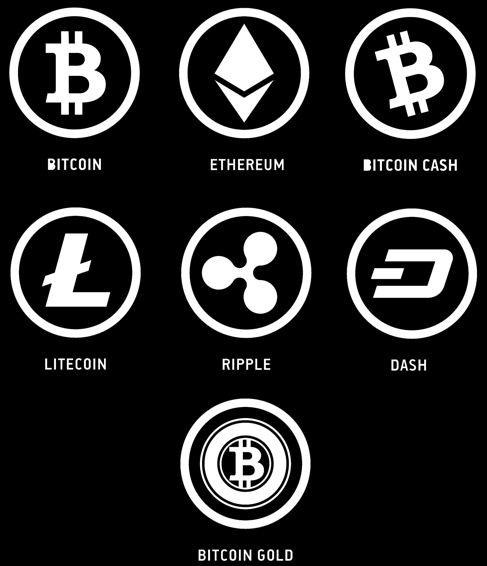
Businesses that aren’t afraid to be pioneers in this space are making innovating plays and putting themselves in the best strategic position.
Where Crypto Delivers

As the crypto industry has evolved, it’s stabilized and become much more mature, legitimate, and secure. It’s for this reason that I strongly believe that coins will be widely accepted as payment in the near future — and not just Bitcoin. With increasing stability and validity, there will be a heightened understanding of the advantages and different use cases of various cryptocurrencies and their underlying blockchain technology. Here are three main benefits retailers would enjoy once cryptocurrencies go mainstream:
1. Crypto truly globalizes trade.
Today’s retailers are connected to a worldwide network of consumers through the internet — yet the international transfer of funds can often still be a hassle. Cryptocurrencies could offer a genuinely global marketplace with a shared currency that’s quickly and easily transferred from one person to another.

Photo: ifeng
2. Crypto has lower transaction fees.
Retailers currently depend on payment networks, like Visa and Interac, that charge fees as high as 5 percent for transactions. Blockchain-based cryptocurrency fees aren’t dependent on the amount paid during the transaction, but on the amount of data processed. As a result, retailers accepting them could save substantial sums of money. On top of this, a distributed blockchain ledger would be instrumental in lowering the risk of chargebacks for retailers. Once a transaction has been made, it would be final.
3. Crypto eliminates the middlemen.
Cryptocurrency not only removes foreign exchanges from the mix, but it could also cut down on a retailer’s dependence on banks. Blockchain is a peer-to-peer system that allows consumers to transact directly with businesses — and all of the verification and validation systems that banks provide are already built into the network. Crypto transactions can be more secure and private than traditional methods, yet do away with all the processing fees and delays retailers are often faced with now.
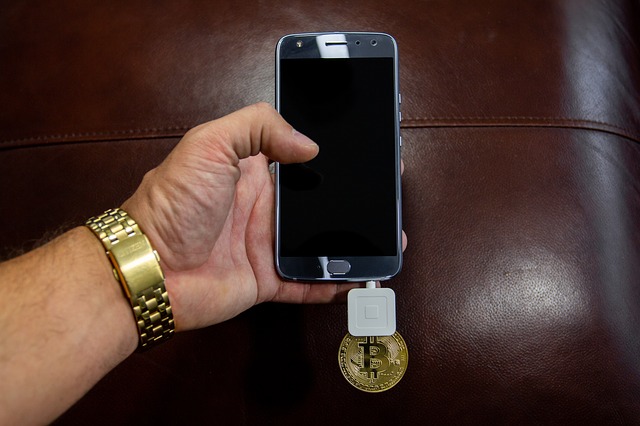
Photo: CoinBud

Governments, businesses, and consumers around the world are starting to wake up to the utility of digital currencies. Canada has already proven that it’s ahead of the curve — and Canadian businesses that start preparing now to adopt these payment systems are going to be 10 steps ahead of competitors when crypto becomes the norm.

Cale Moodie is CEO and director of Neptune Dash, a leading cryptocurrency company that constructs and operates masternodes of Dash, a digital currency built on the blockchain that’s designed to enable instant, private payments online or in-store. Cale’s 10-plus year career in public market finance has included roles as founder, CFO, director, and audit committee chair for publicly traded companies. He’s been an avid follower and investor in the digital currency and blockchain space since 2013.

READ MORE ARTICLES ON CRYPTOCURRENCY