
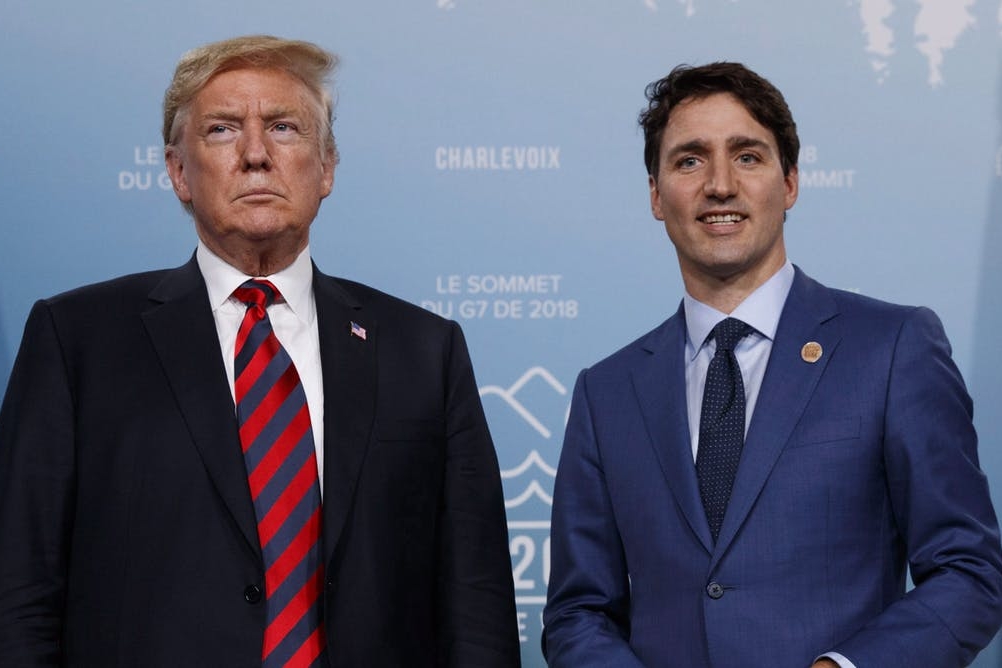


U.S. President Donald Trump left the recent G7 summit in a fury about Justin Trudeau and vowing an escalated trade war. Canadians are responding by going Trump-free at the grocery stores – but it will likely be short-lived. (AP Photo/Evan Vucci)
By Sylvain Charlebois, Professor in Food Distribution and Policy, Dalhousie University
In a nutshell, here is what happened at the G7 summit: Justin Trudeau played nice with Donald Trump, Trump tore Trudeau apart on social media, Trudeau played nice again. While Trudeau showed very Canadian diplomacy, poise and resilience, the Canadian public seems to be taking another approach.
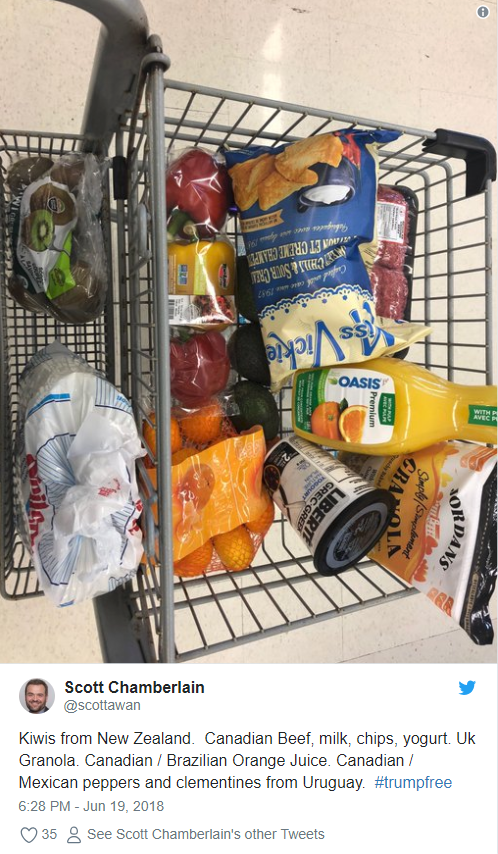
Everywhere on social media, Canadians are encouraging one another to go “Trump-free” — that is, to shop for groceries without buying a single American product.
Even restaurants are jumping on the bandwagon by serving “Trump-free” dishes. These are interesting reactions in the face of Washington’s somewhat contradictory foreign trade policies.
The “Buy Canadian” campaign targeting food products is nothing new. We have shown our solidarity in the grocery store before. Canadians tend to rally to support specific sectors when they’re faced with adversity.
In 2003, during the mad cow disease crisis in which the cattle industry took a $7 billion hit, Canadians showed their love for Canadian beef, so much so that Canada became the first country in the world to see its domestic demand for beef go up after its first native mad cow case.
But this support was short-lived compared to the crisis itself, which lasted for more than two years. In this case, retail sales for beef in Canada remained high for about the first nine months, and then decreased steadily afterwards.
That’s because consumers have busy lives, fixed habits and, most importantly, specific budgets. Once the media had moved onto the next crisis, most people had already forgotten there had ever been a mad cow crisis in the first place.


Mad cow did lasting damage
Many Canadian farmers ended up losing their farms because of mad cow. But the public tends to react to things that are front of mind, and that affect them directly.
Trade disputes are notorious for their capacity to damage economies, affecting everyone involved. We trade for a reason. Some nations can produce certain goods at a lower price than others.

Dairy cows are seen in 2003 at the Sunny Dene Ranch in Washington state where authorities had to determine which animals came from Canada amid its mad-cow crisis. Hundreds of the cows were later killed. (AP Photo/E.B. McGovern)
A nation’s competitive advantage can both develop its own economy and serve other economies in need of innovative products they can’t produce themselves for one reason or another.
With food, however, innovation is not nearly as big an issue as food security. Food systems operate with the premise of serving a budget-stretched consumer. Studies have shown we are bargain-hunters, whether we realize it or not.
Food is temporary, and as such, cannot really help consumers impress a certain social class, perceptually speaking. Unlike durable products, consumers cannot show off their new jam, strawberries or freshly purchased chicken.
This is the nature of “cupboard economics.” People can visit a beautiful home but never see what’s kept inside the cupboards. At the restaurant, though, it’s different. Here, the “Buy Canadian” campaign is more fitting.
Buy Canadian as Canada Day approaches?
Patriotism ranks second to price. This is the ideal time of year to use patriotism to justify some of our retail purchases. As Canada Day approaches, more consumers will feel the urge to buy Canadian, and why not?
But here again, consumers are fickle and will opt for the product that offers the best quality for the lowest price. In other words, they will most often choose the lowest-priced item, regardless of country of origin.
But here’s another reality while consumers are on their quest to find Canadian products. The highly integrated nature of the U.S. and Canadian economies plays out on our grocery store shelves.
Many American food products have at least one Canadian ingredient, and vice versa. Defining what a Canadian product is can be tricky.

It’s hard to go Trump-free with processed foods
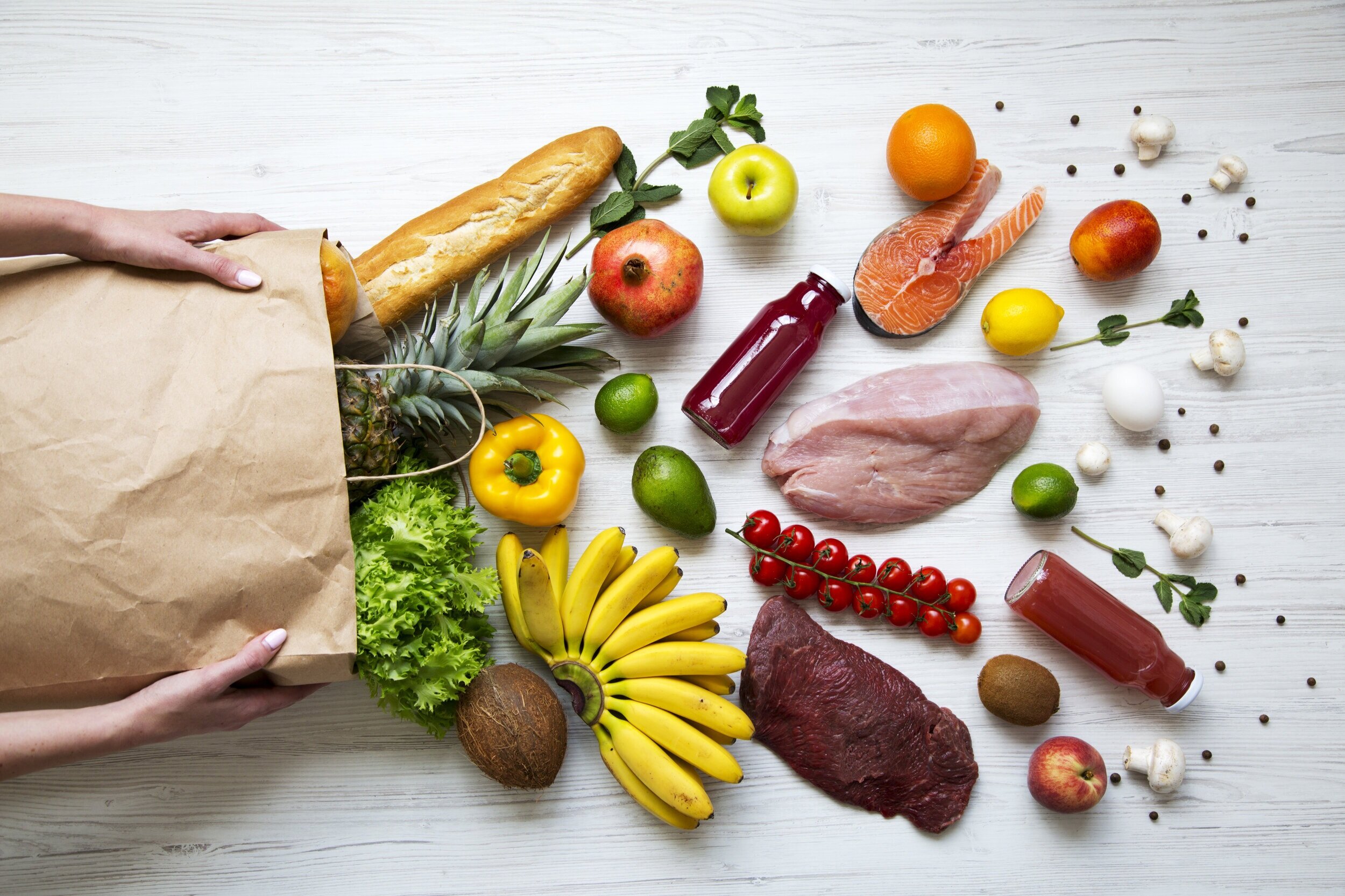
In the produce section, for example, it’s easy to choose Canadian items over American ones, since fruits and vegetables are clearly labelled as to country-of-origin.

Can you really be sure that made-in-Canada frozen pizza doesn’t contain American pepperoni? (Shutterstock)
It’s much less obvious with processed goods. Finding a maple leaf on the package is only half the battle. Many ingredients in packaged foods come from elsewhere, since current regulations only require Canadian manufactured food products to undergo the last stage of processing in Canada.
In short, if we want to be assured of buying Canadian, we should go out to eat Canadian more often, or buy fresh products in the grocery store.
Kudos to those Canadians willing to do so. However, if our trade war with the U.S. escalates, not only will we not have a choice in buying Canadian, it will also cost us a lot more to feed ourselves.

*This article was originally published on The Conversation. Read the original article.

Dr. Sylvain Charlebois is Dean of the Faculty of Management at Dalhousie University in Halifax. Also at Dalhousie, he is Professor in food distribution and policy in the Faculty of Agriculture. His current research interest lies in the broad area of food distribution, security and safety, and has published four books and many peer-reviewed journal articles in several publications. His research has been featured in a number of newspapers, including The Economist, the New York Times, the Boston Globe, the Wall Street Journal, Foreign Affairs, the Globe & Mail, the National Post and the Toronto Star. Follow him on twitter @scharleb.

READ MORE ARTICLES BY SYLVAIN CHARLEBOIS









"Canadian steel" is actually via China and then dumped in the US. Canada has far higher tariffs on US goods. Dairy, at 230% for example. Thank the Canadian MSM for the ignorance on this subject.
Would you care to elaborate further, to educate us?